The Estate

Our History

A Rich Religious Heritage

In 520, Saint Caesarius, Bishop of Arles, decided to establish an annex of his women’s convent in Nyons, in the Drôme department. His sister, Caesaria, became the first abbess of the religious edifice.

It was not until 970 that certain nuns from the Saint-Césaire priory in Nyons settled in Vinsobres to establish a new community and administer the village’s estates. These Benedictine nuns dedicated their time to prayer, work, and hospitality in accordance with the rule of Saint Benedict. A chapel, which has since disappeared, was erected by these nuns in memory of “Saint Vincent,” the patron saint of winemakers.

It was in these privileged grounds that Domaine Saint Vincent was born in 1920.

In 2012, following three generations of the same family, Domaine Saint Vincent became the property of the Lescoche family.

The destiny of this cru now rests in their hands, driven by the ambition to build upon past achievements and elevate it to the highest standards of quality and prestige.

Key Dates...

13th Century

Benedictine Chapel

erected in memory of Saint Vincent, Patron Saint of Winemakers

1920

Establishment of the Estate

by F. DURMA

1957

Planting of the first olive tree

on the property following the 1956 frost

Nyons Olive

of the Tanche variety—a true black pearl of the Baronnies, renowned for years—is unique in the world

September 7, 1957

Vinsobres achieves appellation status

“Côtes du Rhône Villages Vinsobres”

January 10, 1994

Creation of the Nyons AOP

1st olive oil and table olive AOP in France

February 17, 2006

Vinsobres becomes an AOP

1st Cru of the Côtes du Rhône in Drôme Provençale

Vinsobres

now stands among the 18 Crus of the Rhône Valley

August 2012

Acquisition of the estate

by the Lescoche family

2012-2018

Major restructuring of the estate

Vineyards, production facilities, winemaking cellar, and tasting room

Since the beginning

The entire estate is farmed using sustainable/integrated farming practices

September 2018

The estate obtains

High Environmental Value certification level 3

Our know-how

A passion, a commitment

Vineyard work

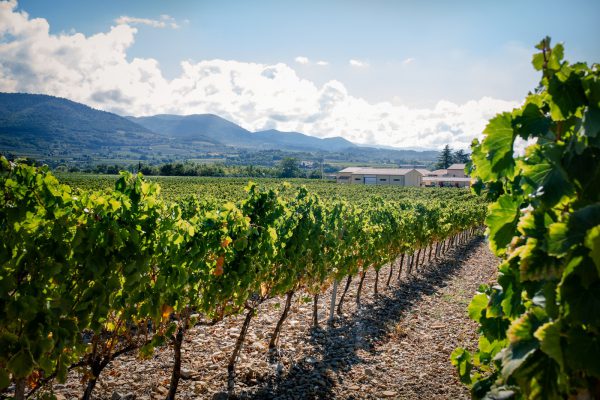
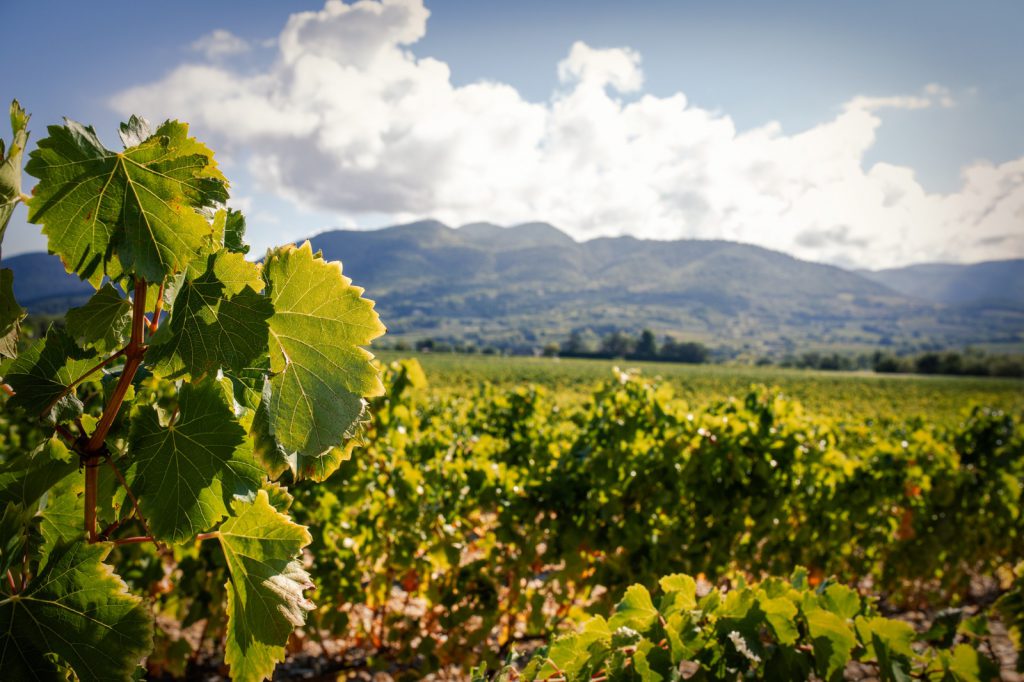
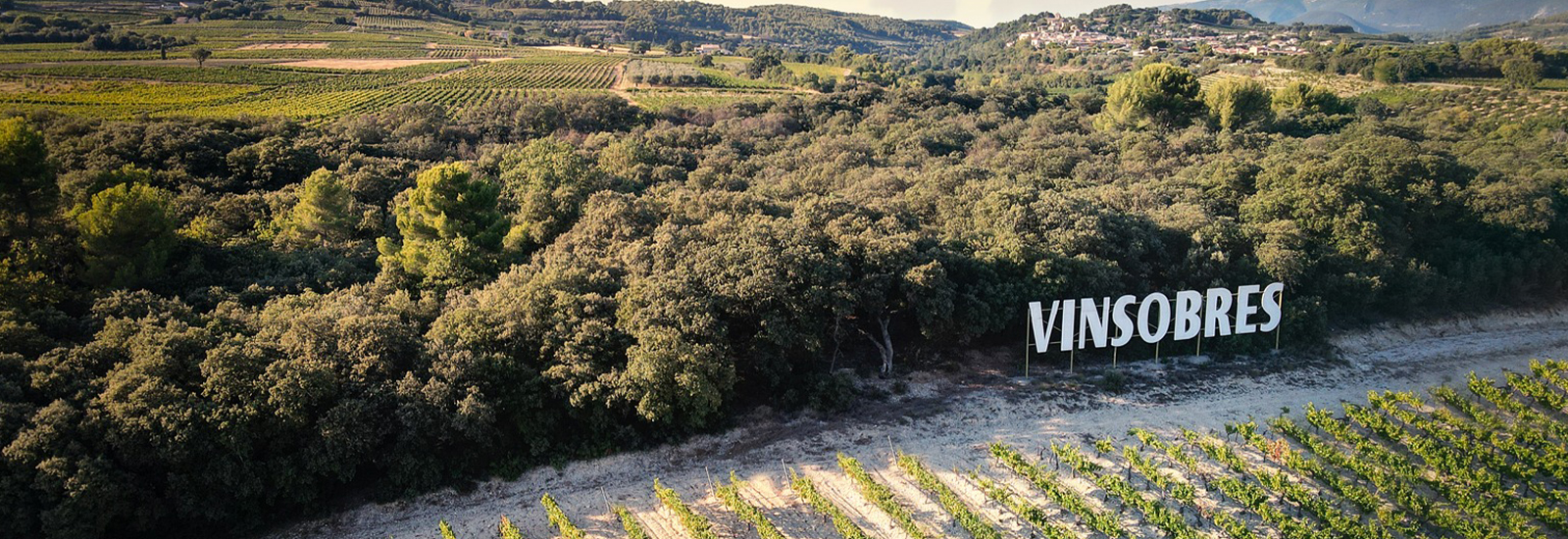
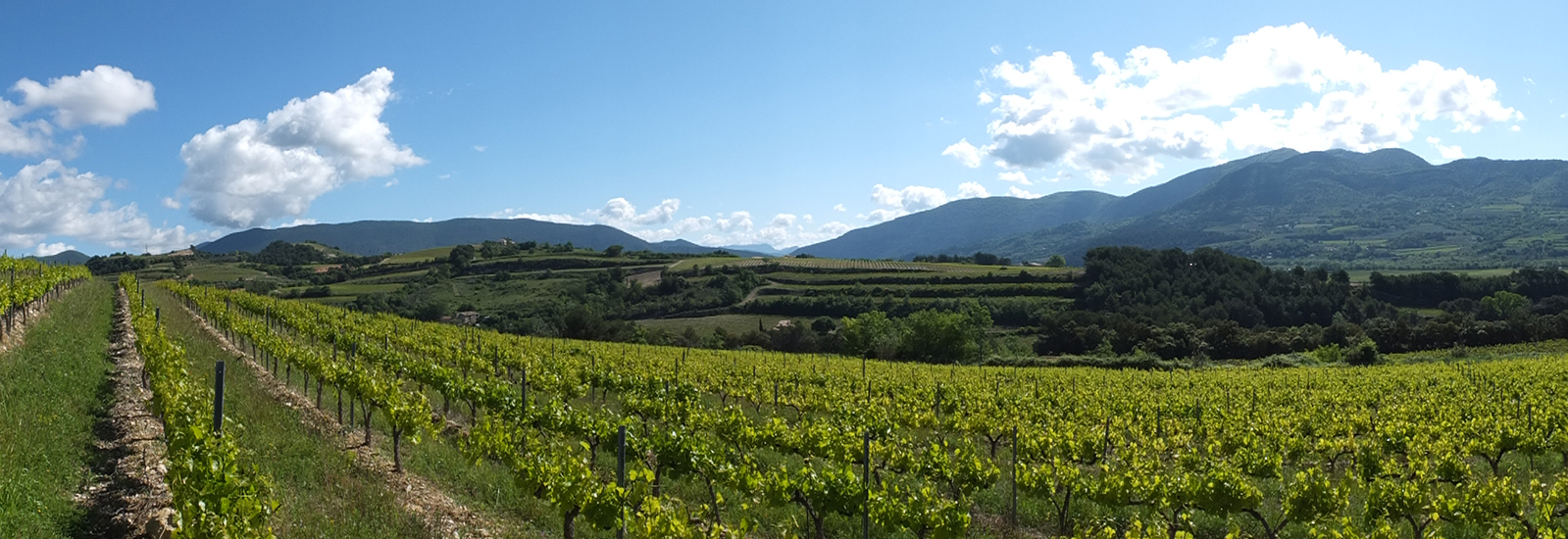
The estate covers 50 hectares of vineyards. It consists mainly of the Grenache and Syrah grape varieties, emblematic varieties of the Rhône Valley. The vines are cultivated with perseverance and dedication, respecting ancestral tradition.

The entire vineyard is trained using the Cordon de Royat system. We focus primarily on mechanical soil work in order to eliminate the use of herbicides.

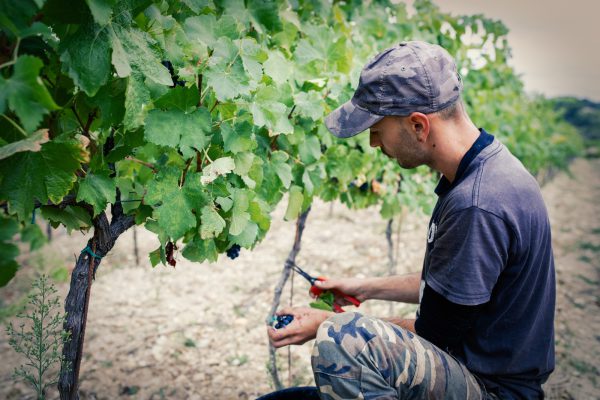
Throughout the year, we carry out the operations necessary for the proper development of the vine, allowing it to benefit from all the essential care needed for its growth (pruning, disbudding, topping…).

Harvest, winemaking & aging

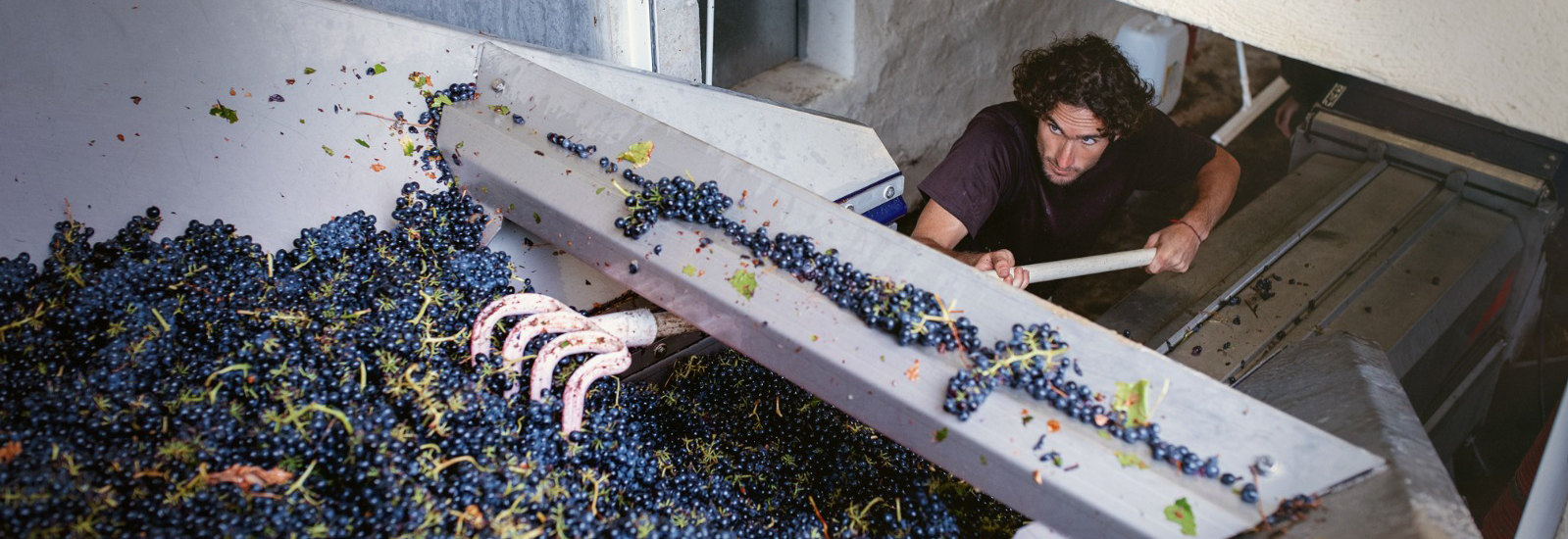
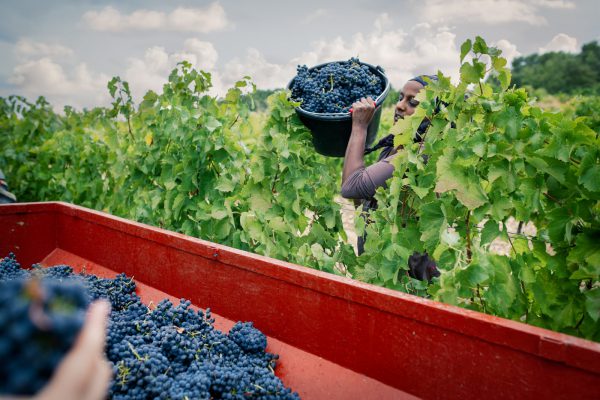
The grapes are mainly harvested mechanically; however, we hand-harvest certain plots intended for the production of a few cuvées.

Our wines are crafted with patience and passion, giving them specific and recognized characteristics. So that the wines can express their full potential, we harvest and vinify each plot separately, allowing each one to bring its own typicity to the final blend.

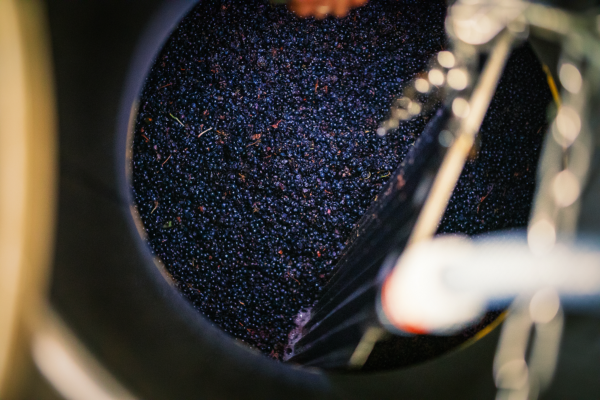
The complete overhaul of our winemaking cellar in 2018, with the addition of thermo-refrigerated stainless steel tanks and the acquisition of oak barrels for aging our wines, has allowed us to improve our working techniques, precision, and quality. As a result, we are pleased to offer you generous, fruity, and exciting wines, born from the expression of our unique, high-altitude terroir.

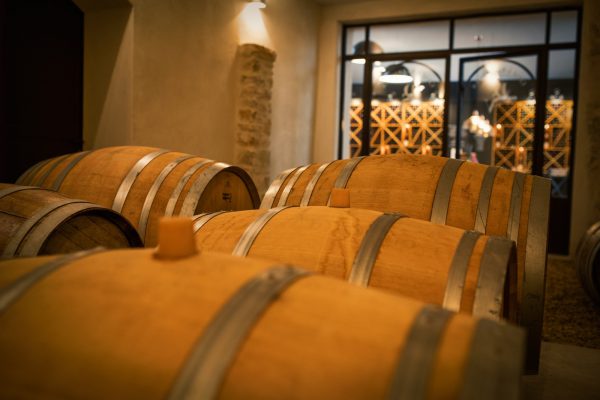
After selecting our best blends, the wine is aged in 225 L barrels for our white wines and 400 L barrels for our red wines. Barrel aging contributes to achieving a fine aromatic complexity and adds roundness to the wines.

Vinsobres

Côtes du Rhône Cru

The vine: a bit of history...

In the Middle Ages, vine cultivation in the Vinsobres region was introduced by the Greeks. The Romans continued this tradition, and Roman legions garrisoned at Vaison-la-Romaine would rest at “Vinsobrium.”

Previously classified as Côtes-du-Rhône Villages, Vinsobres red wine became the first local appellation of the Côtes-du-Rhône in the Drôme provençale on February 17, 2006, as “AOC Vinsobres.” This is how Vinsobres joined the 18 Crus of the Rhône Valley among the most prestigious (Châteauneuf-du-Pape, Gigondas, Côte-Rôtie, Cornas, etc.).

According to Latin etymology, Vinsobres is said to come from “Vinsobris,” meaning “vine” and “work.” This name indicates that Vinsobres has always been a village of vines and winegrowers.

In 1633, Joseph Marie de Suarès, Bishop of Vaison and a great lover of the wine from this parish, pronounced this saying, which today remains that of all the winegrowers of this terroir: “Vinsobres or sober wine, take it soberly.”

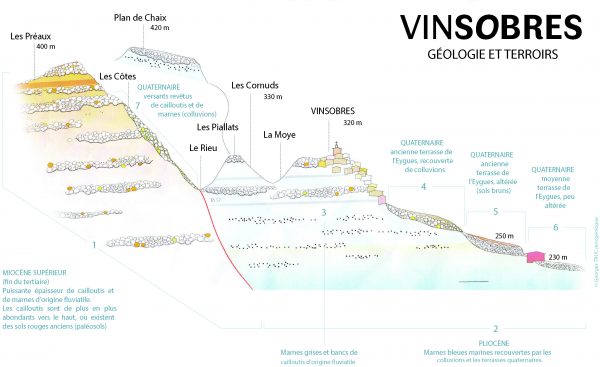
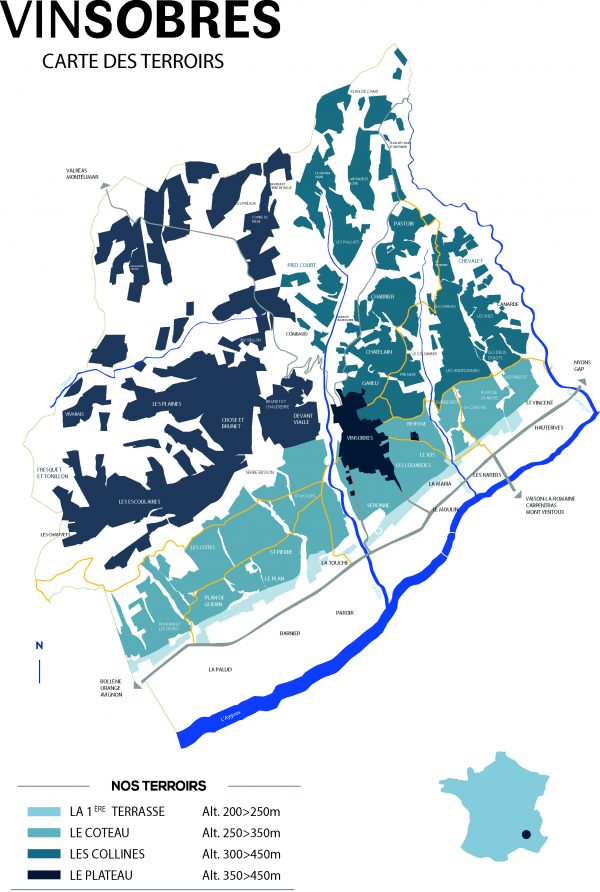
Climate, geology, and terroirs

In the Middle Ages, vine cultivation in the Vinsobres region was introduced by the Greeks. The Romans continued this tradition, and Roman legions garrisoned at Vaison-la-Romaine would rest at “Vinsobrium.”

Previously classified as Côtes-du-Rhône Villages, Vinsobres red wine became the first local appellation of the Côtes-du-Rhône in the Drôme provençale on February 17, 2006, as “AOC Vinsobres.” This is how Vinsobres joined the 18 Crus of the Rhône Valley among the most prestigious (Châteauneuf-du-Pape, Gigondas, Côte-Rôtie, Cornas, etc.).

According to Latin etymology, Vinsobres is said to come from “Vinsobris,” meaning “vine” and “work.” This name indicates that Vinsobres has always been a village of vines and winegrowers.

In 1633, Joseph Marie de Suarès, Bishop of Vaison and a great lover of the wine from this parish, pronounced this saying, which today remains that of all the winegrowers of this terroir: “Vinsobres or sober wine, take it soberly.”

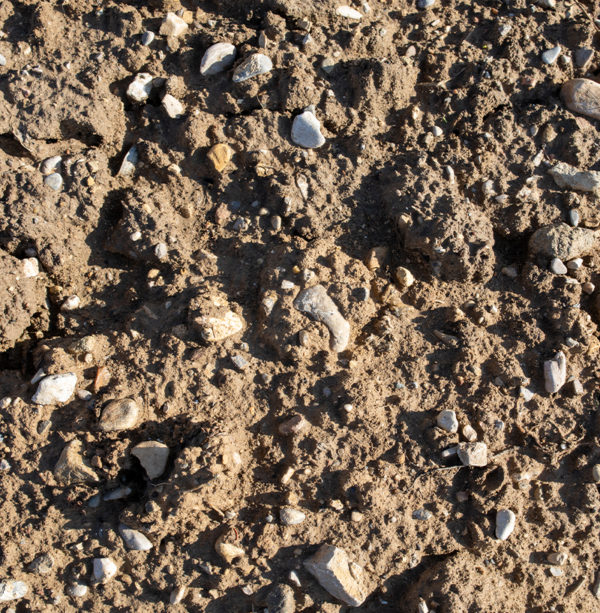
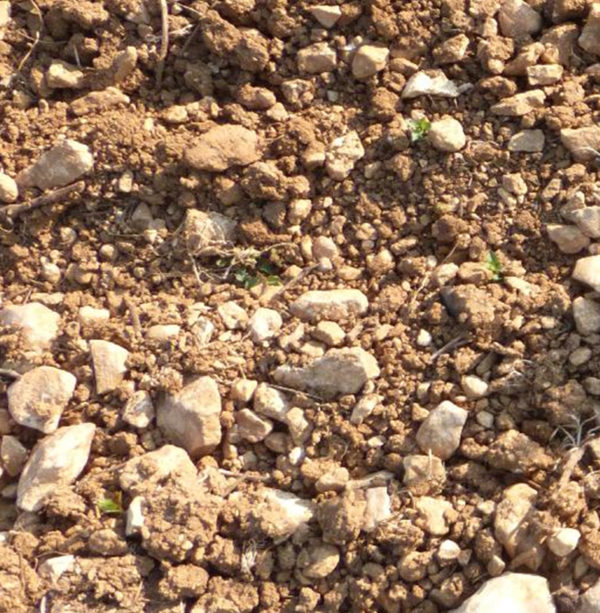
Clay-limestone – Saint-Vincent
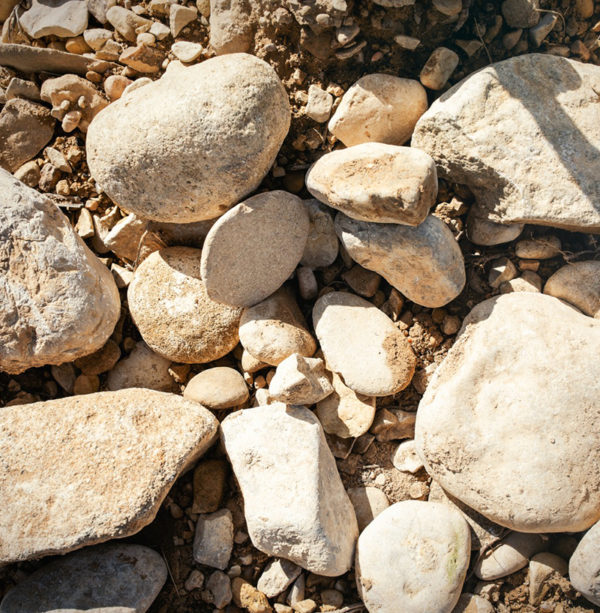
Marl and conglomerates – Le Chevalet
Stony plateaus – Saint Pierre

Our Values

A committed family estate

A family-run wine estate

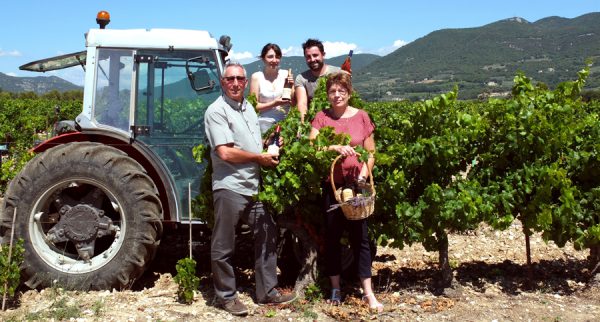
Historically, since the 1920s, Domaine Saint Vincent has always been a family estate. The Durma family has managed to preserve this tradition and carry on expertise passed down through three generations.

In 2012, Philippe Lescoche, an entrepreneur in wine filtration, fulfilled a long-held dream by acquiring Domaine Saint Vincent, in memory of his maternal grandfather, a winegrower in the Dordogne.

After studying international wine business and completing internships abroad, his daughter Ludivine decided to join the estate with the aim of developing it. Bringing complementary strengths together, they are now united by a shared passion for wine.

The profession of Independent Winegrower

The independent winegrower cultivates their own vines, ages, and markets their own wine themselves. Responsible, the independent winegrower fully takes charge of the quality of their work, carrying it out with care and skill, respecting the environment and aiming to satisfy their customers. Committed, they choose to use innovative working methods without altering the heritage they preserve and defend. Professional, they have thorough knowledge of their trade, from vineyard management to welcoming and selling their wines to customers.

To mark this commitment and the quality of our work, we are proud to have joined the Independent Winegrower charter, which you can find below.

Our environmental approach

Aware of and committed to preserving the environment, the Estate is proud to be certified High Environmental Value Level 3. This distinction represents the highest level of an environmental certification system for agricultural and wine-growing operations. HVE certification recognizes operations engaged in particularly environmentally friendly practices, subject to very strict specific requirements.

This certification is monitored by the French State. It is based on 4 environmental performance indicators: biodiversity preservation, plant protection strategy, fertilization management, and water resource management.

In 2020, we decided to convert our vineyard to Organic Farming, meaning farming without artificial chemical fertilizers, relying solely on mechanical work of the soil and vines. After 3 years of converting our land and shifting our growing methods toward more sustainable practices, we vinified our first organic vintage in 2023.

Login

Register

Bienvenue, welcome on our website !

Avez-vous l’âge légal ? Are you of legal drinking age, according to the legislation in your country of residence ?

L’abus d’alcool est dangereux pour la santé, à consommer avec modération. Alcohol abuse is dangerous for health. To consume with moderation. En naviguant sur notre site Web, vous acceptez notre politique de confidentialité des données. By browsing our website, you agree to our data privacy policy.

This site is registered on wpml.org as a development site. Switch to a production site key to remove this banner.